
What Is Optical Gel and Does It Really Deter Pigeons?

Optical gel is one of the newer bird control methods available in Toronto and the GTA. It sounds futuristic and promising. But does it actually work? And more importantly, is it the right solution for your pigeon problem?
If you’ve seen shiny gel-like substance on building edges or heard about this method, you probably have questions. Let’s break down what optical gel is, how it works, and whether it’s an effective pigeon deterrent.
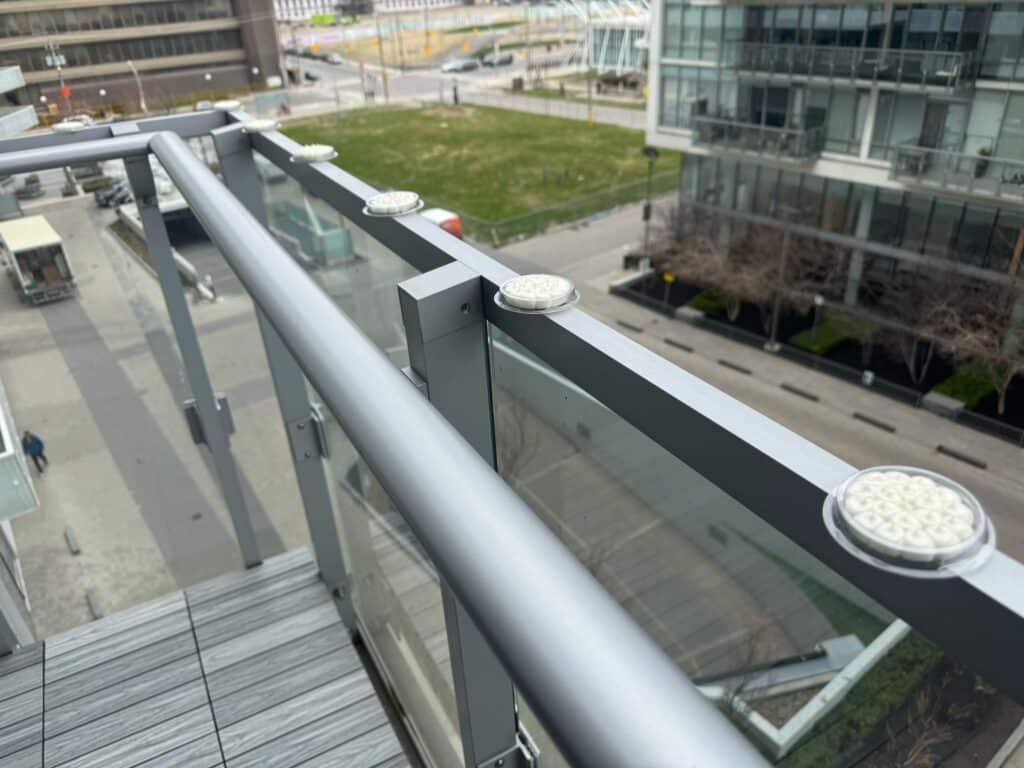
What Is Optical Gel?
Optical gel is a clear, sticky substance that creates a visual and tactile deterrent for birds. The gel sits in shallow trays or is applied directly to surfaces where pigeons land.
How it’s made:
- Non-toxic compound (safe for birds and humans)
- Transparent or slightly reflective appearance
- Designed to remain sticky even in harsh weather
- Applied in thin lines along ledges, railings, and building edges
The concept is straightforward. When pigeons land on treated surfaces, they experience an uncomfortable sensation. The sticky feeling discourages them from returning.
How Optical Gel Works
The deterrent effect comes from multiple sensory inputs:
Visual component:
- Light reflecting off the gel creates a shimmering effect
- This mimics water, which pigeons naturally want to avoid
- The visual disturbance signals danger to birds
Tactile component:
- The sticky surface feels unpleasant on pigeon feet
- Birds dislike the sensation and avoid returning
- It doesn’t harm them, just feels uncomfortable
Combined effect:
- The combination of visual and tactile deterrence is more effective than either alone
- Pigeons recognize the surface as unsuitable and relocate elsewhere
The theory is solid. The reality is more complicated.
Does Optical Gel Actually Deter Pigeons?
The honest answer: sometimes, but with significant limitations.
Where optical gel works:
- Small, isolated problems with few pigeons
- Short-term temporary solutions
- Areas where pigeons are just beginning to test locations
- Properties where other methods can’t be installed
- Supplementary deterrent alongside other systems
Where optical gel struggles:
- Established pigeon populations ignore it after days
- Weather exposure degrades effectiveness quickly
- Rain washes it away or reduces stickiness
- Toronto’s winter temperatures affect performance
- Multiple applications required monthly
- Determined birds simply avoid treated areas and land elsewhere nearby
Why Pigeons Adapt to Optical Gel
Pigeons are remarkably intelligent. They learn quickly.
Initial applications may deter birds for a week or two. But pigeons observe that the gel doesn’t actually harm them. Once they realize the sticky surface poses no real threat, they adapt.
Many Toronto property owners report that optical gel works for a brief period, then birds return. The deterrent loses effectiveness as birds become accustomed to it.
This adaptation pattern is common with sensory deterrents. Pigeons test the surface, learn it’s harmless, and resume their normal behavior.
Comparing Optical Gel to Other Methods
Understanding how optical gel compares to alternatives helps determine if it’s right for your situation.
Physical barriers (netting, spikes, wire):
- Permanent, long-lasting protection
- No adaptation or habituation
- Work in all weather conditions
- Higher upfront cost
- One-time installation
Optical gel:
- Temporary deterrent effect
- Requires ongoing maintenance and reapplication
- Weather dependent performance
- Lower upfront cost
- Ongoing expense from repeated applications
Bird spikes:
- Physical barrier preventing landing
- Permanent solution (10-15+ year lifespan)
- Works regardless of pigeon intelligence or learning
- No ongoing maintenance
For comparison purposes, optical gel is best viewed as a temporary stop-gap solution rather than a permanent fix.
When Optical Gel Makes Sense
Optical gel has legitimate applications in specific situations:
Temporary solutions:
- Rental properties where permanent installation isn’t allowed
- Short-term pigeon problems while arranging permanent solutions
- Properties undergoing renovation where temporary deterrence helps
Supplementary use:
- Alongside other methods to reinforce exclusion
- On areas physical barriers can’t access
- As part of a comprehensive multi-method approach
Budget constraints:
- When cost is the primary concern
- As an interim solution while saving for better alternatives
- Testing whether a property actually has a pigeon problem
Maintenance Requirements
If you choose optical gel, understand the maintenance demands.
Monthly application needed:
- Reapply after rain or heavy weather
- Check for degradation from UV exposure
- Clean surfaces before reapplication
- Dispose of old gel properly
Toronto climate challenges:
- Winter temperatures affect gel consistency
- Heavy rain reduces effectiveness
- Spring thaw can wash away applications
- Summer UV exposure breaks down the formula
These ongoing requirements add up. Many property owners find themselves spending more on repeated optical gel applications than they would have spent on a permanent solution initially.
The Honest Assessment
Optical gel works as designed. It does create an uncomfortable surface that pigeons naturally want to avoid. The problem is that deterrent effect fades as birds adapt.
If you’re expecting permanent pigeon control from optical gel, you’ll likely be disappointed. If you need a temporary, low-cost solution while planning a better approach, it can buy you time.
The key is having realistic expectations about what optical gel can accomplish and understanding that permanent pigeon problems typically require permanent solutions like protective netting systems or strategic spike installation.
FAQ
How long does optical gel remain effective?
Initial effectiveness typically lasts 1-2 weeks. After that, pigeons adapt and the deterrent effect diminishes significantly. Some property owners report 3-4 weeks of effectiveness before birds fully adjust. Weather conditions and pigeon pressure both affect duration.
Is optical gel safe for birds?
Yes, optical gel is non-toxic and doesn’t harm birds. It causes discomfort when they land, but no injury. This makes it legal and humane under Ontario wildlife protection regulations. Birds simply learn to avoid the treated areas.
Can I use optical gel on my balcony?
Yes, optical gel can be applied to balcony railings and edges. However, keep in mind it requires regular reapplication and maintenance. Many Toronto condo owners find that complete balcony exclusion is more practical than ongoing gel maintenance.
Will optical gel work on Toronto roofs?
Optical gel can be applied to roofs, but with limitations. High traffic areas on roofs often require reapplication after rain. The effectiveness decreases in areas with heavy foot traffic or during harsh weather. Permanent solutions typically work better for roof protection.
Is optical gel expensive?
Optical gel has a low initial cost compared to permanent solutions. However, repeated monthly applications add expense over time. A single balcony netting installation might cost $400-$800 upfront but provides 10-15 years of protection without reapplication. Optical gel might cost $50-$100 monthly, accumulating to $600-$1,200 annually.
Considering pigeon control options for your Toronto property? Contact Pigeon Control Toronto to discuss which solution works best for your situation. We evaluate optical gel, netting, spikes, and other methods to recommend the most effective approach for your specific needs.