
How Toronto Homeowners Get Rid of Roof Pigeons Fast

That scratching sound coming from your roof at dawn isn’t your imagination. Those cooing noises echoing through your attic mean pigeons have moved in. And that growing collection of droppings on your driveway? It’s coming from birds roosting on your roof right now.
Pigeons on your roof create problems that go far beyond noise and mess. They damage roofing materials, clog gutters, contaminate insulation, and turn your home’s highest point into their personal headquarters. The longer they stay, the harder they become to remove.
Getting rid of roof pigeons requires understanding why they chose your property and implementing solutions that actually work. Here’s what you need to know.
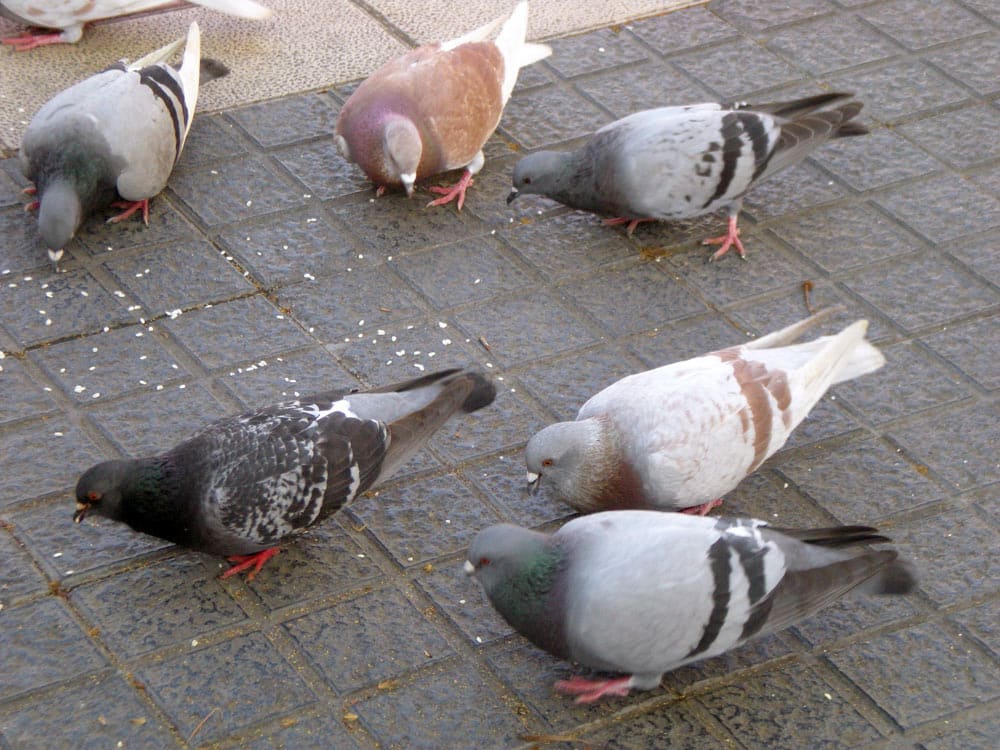
Why Pigeons Choose Your Roof
Roofs offer everything pigeons need for survival:
- Safety from predators – Elevated positions keep them away from cats and other ground threats
- Weather protection – Overhangs and peaks provide shelter from rain and wind
- Nesting spots – Chimneys, vents, and roof valleys offer protected areas
- Good visibility – Height allows pigeons to spot food sources and potential dangers
Your roof’s design matters significantly. Traditional pitched roofs with exposed rafters, decorative trim, and multiple levels create an ideal habitat. Flat commercial roofs with HVAC units and parapet walls provide countless perching and nesting locations.
Location influences bird pressure. Homes near parks, water sources, or commercial areas with food availability tend to experience higher pigeon activity. Properties throughout the GTA, from Mississauga to Pickering, experience these challenges. Overhanging tree branches create natural bridges that make it effortless for birds to access your roof.
The real problem starts when one or two pigeons become a flock. Pigeons are social birds that communicate good roosting spots to others. What begins as occasional visitors quickly becomes permanent residents.
Signs You Have a Roof Pigeon Problem
Check your property for these warning signs:
Visual Evidence:
- Droppings are accumulating on the ground beneath the roof edges
- White streaks down exterior walls below roof ledges
- Nesting materials like twigs and grass in gutters
- Birds gathering at the same spots repeatedly
Audio Clues:
- Scratching or shuffling sounds from your attic
- Cooing noises during early morning or evening
- Movement sounds in covered roof spaces
Physical Damage:
- Damaged or displaced roof shingles
- Clogged gutters and downspouts
- Droppings staining the roof surfaces
Don’t ignore these warning signs. Roof pigeon problems escalate quickly once birds establish territory.
Methods That Actually Remove Roof Pigeons
Generic advice rarely works for roof situations. Birds choosing elevated locations are determined and adaptable. Effective removal requires targeted approaches.
Remove Food and Water Sources
Start by eliminating what attracts pigeons to your property:
- Remove bird feeders or switch to designs that exclude larger birds
- Clean clogged gutters that hold standing water
- Secure garbage in bins with tight-fitting lids
- Eliminate standing water in containers or property low spots
- Keep outdoor pet food dishes inside
Seal All Entry Points
Walk your roofline looking for gaps where pigeons might access protected spaces. Common entry points include:
- Damaged or missing roof vents
- Loose soffit boards with gaps
- Openings around chimney flashing
- Broken attic vent covers
- Gaps under roof tiles or shingles
Use hardware cloth for larger gaps, caulk for smaller cracks, and replace damaged vent covers with bird-proof versions.
Install Physical Deterrents
Bird Spikes:
- Install on roof peaks and ridgelines
- Place along the roof edges and ledges
- Use stainless steel for durability
- Cover all preferred perching spots
Professional bird spike installation ensures comprehensive coverage and proper placement for maximum effectiveness.
Bird Wire Systems:
- Tension thin wires across landing surfaces
- Nearly invisible once installed
- Works well on roof edges and parapet walls
- Creates unstable surface pigeons avoid
Protective Netting:
- Seals off specific problem areas completely
- Professional-grade materials last 10-15 years
- Maintains roof appearance while blocking access
- Best for concentrated problem zones
The key is comprehensive coverage. Protecting one roof section while leaving others exposed simply relocates birds rather than removing them.
Professional Removal When Necessary
Call professionals if you’re dealing with:
- Active nests with eggs or baby birds
- Multiple birds roosting regularly (established flock)
- Steep or high roofs present safety risks
- Commercial properties requiring immediate results
- Situations requiring knowledge of wildlife regulations
Professional services assess your specific roof design, identify all vulnerable areas, and install systems correctly the first time.
What Doesn’t Work for Roof Pigeons
Save your money and skip these common failures:
Ineffective Methods:
- Plastic owls and rubber snakes (birds ignore them within days)
- Reflective tape and pinwheels (weather damage makes them useless)
- Ultrasonic devices (minimal effect on pigeon behavior)
- Repellent sprays and gels (wash away with rain)
The harsh reality is that pigeons are intelligent birds that adapt quickly to ineffective deterrents. Gimmicks don’t work against them.
Cleaning Up After Removal
Once you’ve removed pigeons from your roof, proper cleanup becomes essential. Bird droppings contain harmful pathogens that cause respiratory illnesses. Learn how to clean pigeon droppings safely to protect your health.
Safety First:
- Wear gloves, masks, and eye protection
- Never dry sweep droppings (creates airborne pathogens)
- Wet the area before cleaning
- Use appropriate sanitizing solutions
Cleanup Steps:
- Wet down all droppings thoroughly
- Remove waste carefully into sealed bags
- Sanitize affected surfaces
- Inspect for roof damage
- Repair damaged materials promptly
For severe contamination, professional cleaning services have the proper equipment to handle hazardous waste safely.
Preventing Future Problems
Successful pigeon removal means nothing if birds return next season.
Ongoing Maintenance:
- Fix damaged shingles promptly
- Keep gutters clean and functional
- Seal new gaps as they develop
- Trim trees overhanging your roof
- Maintain 6+ feet clearance between vegetation and roof edges
Monitor Regularly:
- Watch for droppings reappearing
- Listen for roof sounds
- Check for new bird activity monthly
- Address new activity immediately
Consider annual professional inspection. Trained eyes spot vulnerabilities you might miss.
When to Call Professionals
Some situations require expert intervention:
Call immediately if:
- You see active nests with eggs
- Multiple birds roost daily
- Your roof is steep or high (safety concern)
- You run a commercial property
- DIY methods have failed
- You need to comply with wildlife regulations
Professional solutions include proper assessment, high-quality materials, correct installation, and warranties that protect your investment.
Frequently Asked Questions
How long does it take to get rid of roof pigeons?
Physical barriers work immediately once installed. Birds can’t land on protected surfaces from day one. However, completely removing an established flock takes time. Pigeons test barriers for several days before relocating. Most properties see dramatic improvement within two weeks as birds establish new patterns elsewhere and stop returning to your roof.
Will getting rid of roof pigeons harm them?
No. Effective roof pigeon control uses humane exclusion methods. Spikes make landing uncomfortable but don’t injure birds. Netting prevents access without harming birds. Wire systems create unstable surfaces that birds avoid. All methods comply with Ontario wildlife protection regulations and simply encourage relocation to more suitable habitats.
Can pigeons damage my roof?
Yes, significantly. Pigeon droppings are highly acidic and corrode roofing materials. Accumulated waste traps moisture against shingles, accelerating deterioration. Nesting materials clog gutters, causing water backup. Birds pecking at materials can damage shingles and flashing. The longer pigeons occupy your roof, the more extensive and expensive the damage becomes.
What time of year is best for roof pigeon removal?
Early spring, before nesting season (April-May), is ideal. This prevents dealing with active nests and legal complications. Fall is second-best, preparing your roof before winter when birds seek shelter. However, if you’re experiencing problems now, don’t wait. Immediate action prevents escalation regardless of season.
How much does professional roof pigeon removal cost?
Basic spike installation for a typical residential roof ranges from $400-$1,000. Comprehensive solutions, including netting, cleanup, and sealing entry points, cost more. Compare these costs against ongoing damage repairs, health risks, and decreased property value. Most homeowners find professional solutions cost less than accumulated damage from delaying action.
Dealing with pigeons on your roof? Contact Pigeon Control Toronto for expert assessment and proven solutions. We serve Toronto and the entire GTA with humane, effective roof pigeon removal that protects your property long-term.